
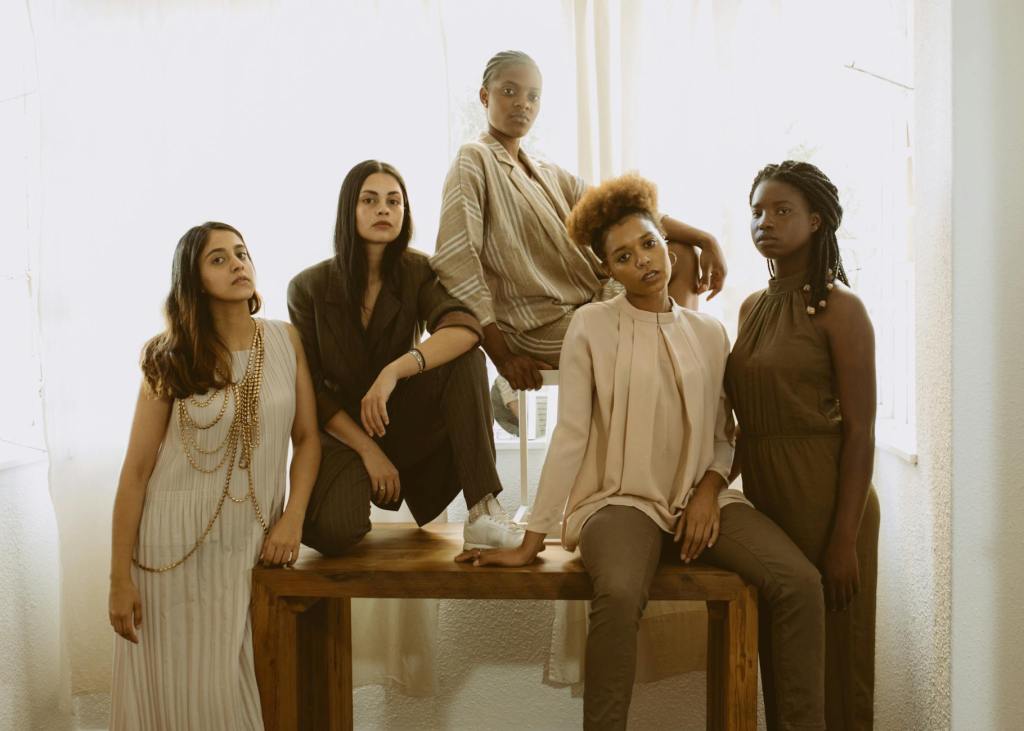
The Bible is full of remarkable stories of courage, faith, and leadership, and among these, the story of Deborah stands out as a powerful testament to the vital role women can play in God’s plan. At a time when the people of Israel were suffering under harsh oppression, it was Deborah, a woman, who stepped into a position of leadership, offering wisdom, faith, and boldness in a moment of crisis. Her story, found in Judges 4, reminds us that sometimes it takes a woman to do a job that no one else can.
The Situation: Oppression and Despair
When Deborah first steps onto the biblical scene, Israel is in a state of spiritual and political disarray. After the death of the judge Ehud, the children of Israel turned away from God, leading them into twenty years of oppression under Jabin, the king of Canaan. His military commander, Sisera, had nine hundred chariots of iron and ruled over Israel with cruelty. The people were in despair, crying out to the Lord for deliverance.
But instead of sending a king or a powerful warrior, God raised up Deborah, a prophetess, to lead His people. This alone was extraordinary—Deborah wasn’t just a prophetess; she was also a judge, one of the rare women in Scripture to hold such a position of authority. She was a woman of wisdom, who people came to for guidance, and she didn’t shy away from her God-given responsibility.
Deborah: A Woman of Leadership and Faith
In Judges 4:4-5, we find Deborah sitting under a palm tree, offering judgments to the people. But when God’s command came to confront Israel’s oppressor, Deborah didn’t hesitate. She sent for Barak, a military leader, and relayed God’s command to gather ten thousand men to go against Sisera and his mighty army. But Barak was hesitant—he would only go into battle if Deborah went with him.
What a revealing moment! Barak recognized something special in Deborah: her faith, courage, and connection with God’s will. His reliance on her shows that Deborah’s presence was essential to the success of the mission. She agreed to go but gave Barak a warning—because of his hesitation, the glory of the victory wouldn’t be his, but instead, the Lord would deliver Sisera into the hands of a woman (Judges 4:9).
The Victory: When Women Take Charge
True to God’s promise, the battle unfolded with miraculous results. Barak led the Israelite army to the battlefield at Mount Tabor, while Sisera brought his terrifying iron chariots. But just as Deborah had foretold, God intervened. A sudden storm caused Sisera’s chariots to become bogged down in the mud, and the Israelites won a decisive victory.
However, Sisera fled on foot, seeking refuge in the tent of Jael, the wife of Heber the Kenite. This is where another remarkable woman steps into the story. Jael welcomed Sisera into her tent, offering him rest and refreshment. But while he slept, Jael took a tent peg and a hammer, driving the peg through Sisera’s head, ending the reign of terror he had inflicted on Israel. As Deborah had prophesied, the enemy fell into the hands of a woman.
Lessons from Deborah’s Story
This powerful story offers us several important lessons about the role of women in God’s plan.
- God Uses Women for Leadership and Deliverance
Deborah’s leadership in a time of crisis shows that God doesn’t limit leadership roles by gender. He called Deborah to lead His people, and she answered boldly. Her wisdom, faith, and courage were the qualities Israel needed, and God used her obedience to bring deliverance. In modern times, God continues to raise up women in leadership roles—both in ministry and other spheres of influence. - Women of Courage Can Change History
Deborah and Jael both displayed incredible courage. Deborah stood firm in her calling, despite the male-dominated world she lived in. Jael seized a moment of opportunity and bravery to strike down Israel’s greatest enemy. These women didn’t shrink back in fear; they stepped into their God-given roles with boldness. - Faith Leads to Victory
Deborah’s faith in God’s promises was unshakeable. She didn’t doubt that God would deliver Israel, and she inspired that same faith in Barak and the Israelite army. Faith wasn’t just something Deborah professed—it was the foundation of her leadership. Today, women (and men) of faith can find strength in knowing that when we trust God’s plan, He will guide us to victory, even in the face of overwhelming odds. - Partnership and Support Matter
Barak’s request for Deborah’s presence in the battle is significant. It shows that even strong leaders need the support of others. Deborah didn’t just give orders from a distance; she was willing to go into the thick of the fight. This partnership between Deborah and Barak is a reminder that in God’s kingdom, leadership isn’t about doing it alone—it’s about working together, with each person playing their role.
Conclusion: A Call to Step Forward
Deborah’s story is one of empowerment, not just for women, but for anyone who feels called to step into leadership, no matter their background. It reminds us that when God has a job to do, He often uses unexpected people to accomplish His will. Sometimes, it takes a woman to do the job—just as Deborah did.
As modern-day believers, we can take inspiration from Deborah and Jael’s boldness. Whether God calls us to lead, support, or take decisive action in a moment of crisis, we can trust that He will equip us with the courage, wisdom, and faith we need to carry out His plans. Just as Deborah trusted in God’s promise, we too can rise to the challenges before us, knowing that the Lord is with us every step of the way.
Let us be women (and men) who are ready to answer God’s call, trusting that He will use us—just as He used Deborah—to bring about victory, justice, and deliverance.
 Raising Esther's Ministries